Login
Search
 

Crossweave Fabrics Explained

Posted on April 29, 2016

We stock quite a few different "crossweave" fabrics here at The Draper's Daughter and really like the two-tone look that using two different coloured threads creates when the fabric is woven.
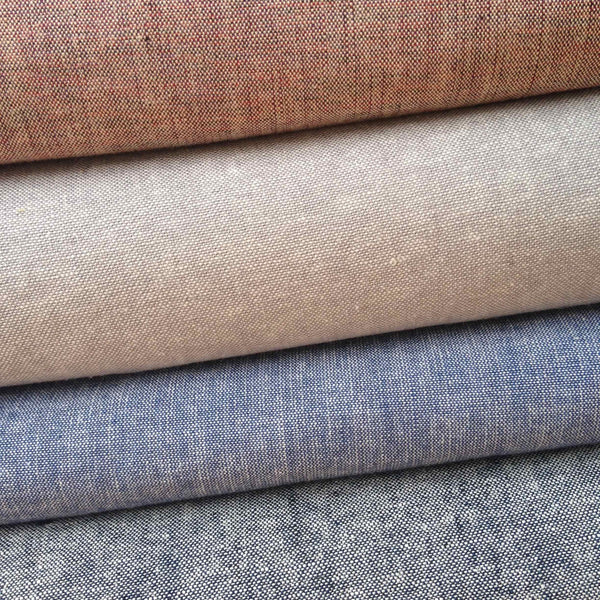
Crossweaves Organic & Yarn Dyed Essex Linen

Fabric is woven from two sets of thread (known as "warp" and "weft") going in different directions. Warp is the set of lengthwise threads, which run up and down the length of the fabric; in the manufacturing process they're held in tension on a frame or a loom. The thread that is then inserted over-and-under the warp threads is called the weft. In the image below shows a close up of our Yarn Dyed Essex Linen in Indigo, the warp threads are Navy and the weft are the Light Cream.
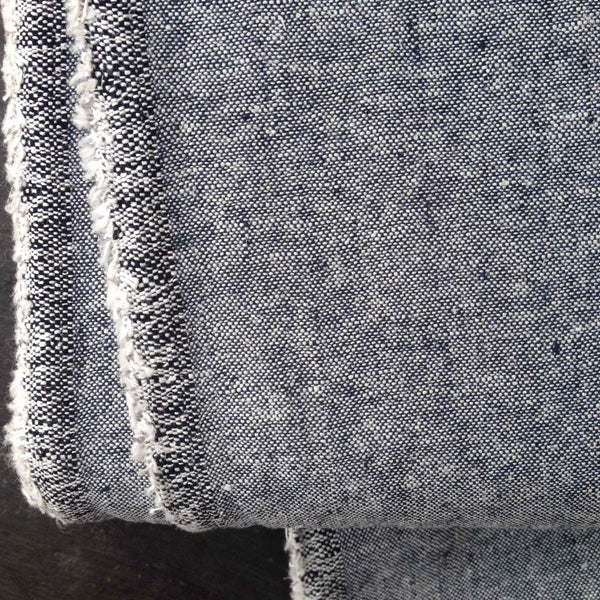
Robert Kaufman Yarn Dyed Essex Linen in Indigo

Crossweaves then, are fabrics woven with different coloured warp and weft threads which have been yarn dyed before the fabric is made. This gives a softer "chambray" look when compared to an equivalent solid coloured fabric.  
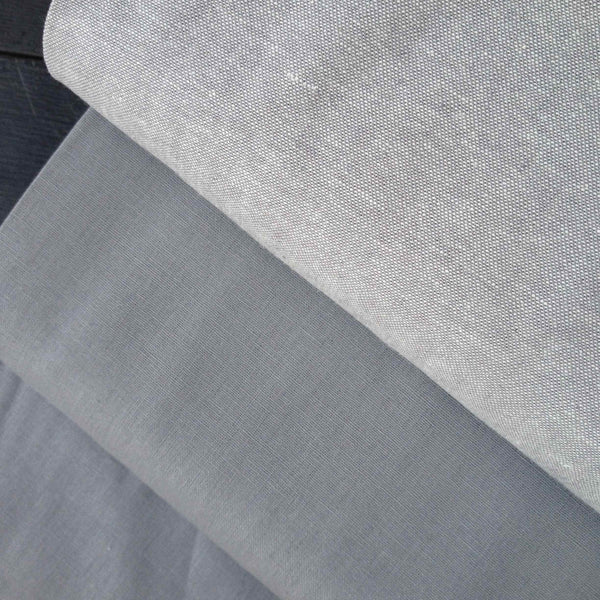
Robert Kaufman Essex Linen Yarn Dyed & Solid in Steel

Pictured above are the two Robert Kaufman Essex Linens that we stock in Steel, both made using the same shade of grey. The yarn dyed, crossweave version at the top has been woven with a light cream coloured weft yarn, and looks significantly paler than the solid version of the same colour below which has been woven with the Steel thread for both the warp and weft.
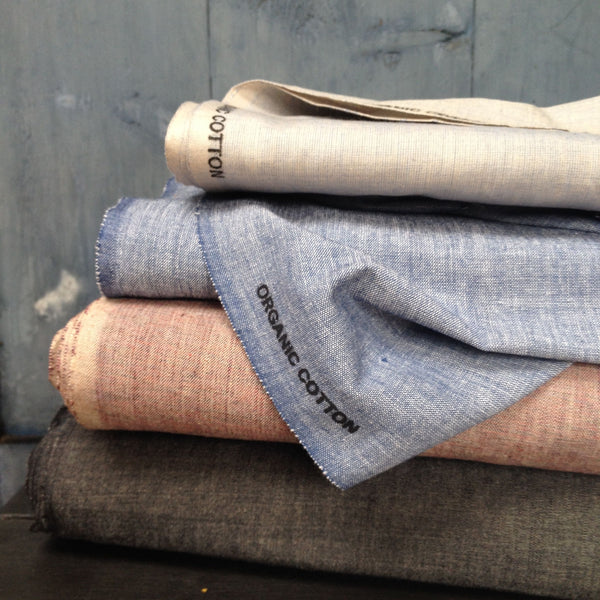
100% Organic Cotton Crossweave Fabrics

In terms of the crossweaves that we stock, our first collection needs no introduction, pictured above are our Organic Cotton Crossweaves. These fabrics are hand woven in India on small power looms, using 100% Organic Cotton.
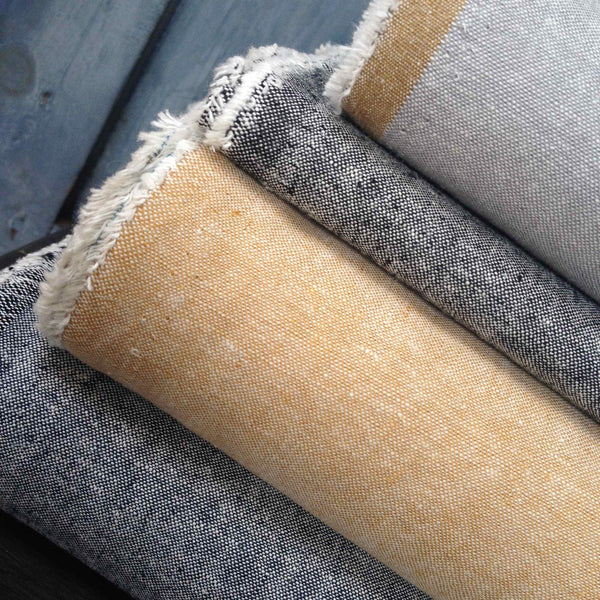
Robert Kaufman Yarn Dyed Essex Linens

Then we have the Yarn Dyed Essex Linens by Robert Kaufman, as pictured above. These are a heavier weight than the Organic Crossweaves and perfect for both dressmaking and soft furnishing projects.

We hope this post has inspired you to use crossweaves in one of your future sewing projects, and we'd love to see what you make, please send us your photos via the contact page.


Continue reading →

NEW IN • Ethically Sourced Handwoven Ikat Fabrics from Thailand

Posted on April 25, 2016

Even before we launched, it was an aspiration of mine to promote ethically sourced fabrics. Sourcing them though, has proved to be quite tricky, especially as a small independent business. However we have never given up on our desire to find fair trade fabrics.

Ethically Sourced Handwoven Ikat Fabrics

So, I'm really pleased that we've just added our first ethical fabrics to the website. These Ikat fabrics were produced in a small weaving village in Thailand. The company we are working with ensure that fair wages are paid to the those producing these wonderful fabrics, directly supporting this community.

The fabrics themselves have been spun, dyed and woven entirely by hand, it takes approximately four hours to weave one metre of fabric. Despite the traditional hand-weave methods used to create these fabrics, the designs themselves are fashion-forward and modern.

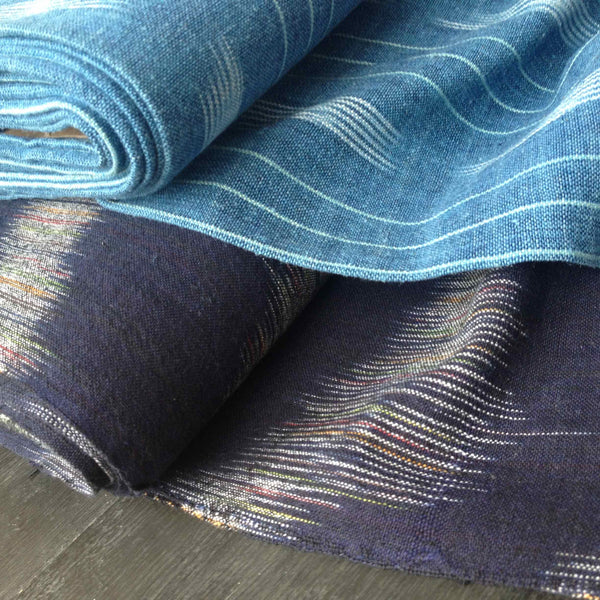
Navy Zig Zag Ethically Sourced Handwoven Ikat Fabric

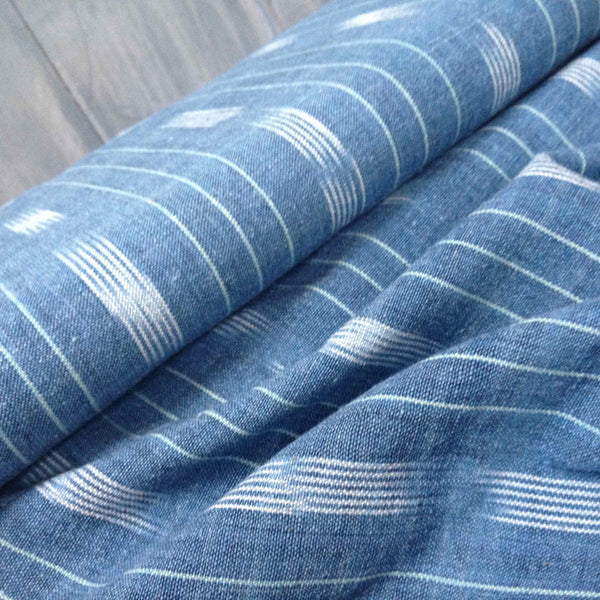
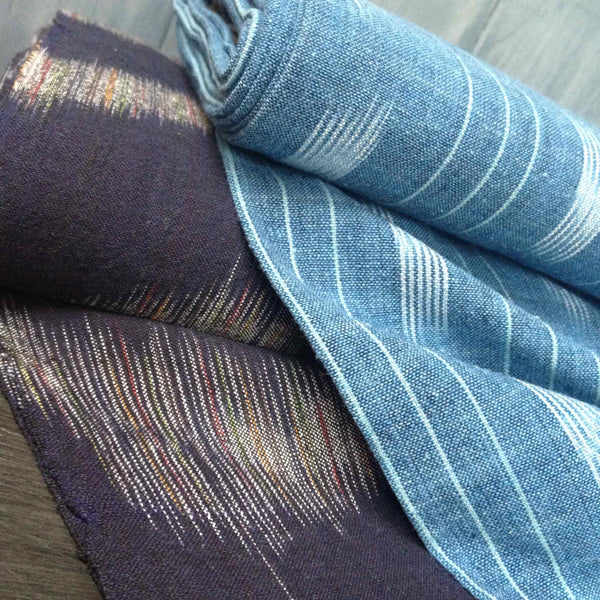
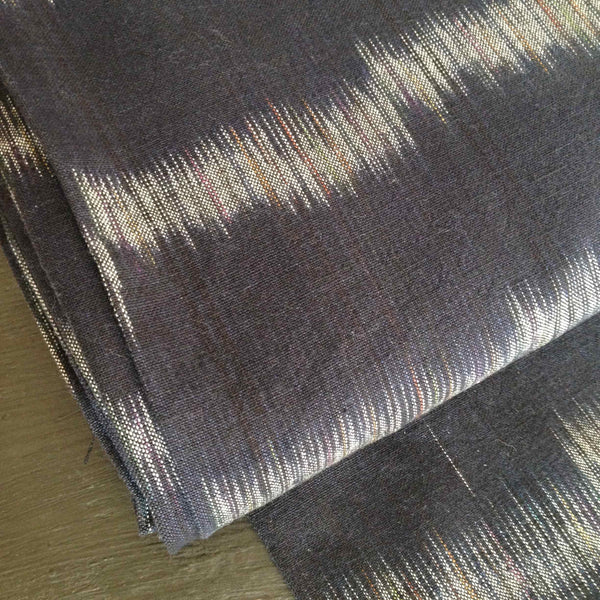
Initially, we've added two designs to our collection. Choose from the Navy Zig Zag with it's subtle highlights of red, yellow, green and ochre; or the Chambray Broken Stripe with it's mix of traditional pinstripes and broken stripes in white and light blue.

Chambray Broken Stripe Ethically Sourced Ikat Fabric

Both designs are a medium-weight with a beautiful drape. The fabrics have been yarn dyed, which means that the yarns were dyed before the fabrics were woven. The yarns used are fairly thick which gives it a slight texture and you can see the woven pattern really clearly.

Ethically Sourced Handwoven Ikat Fabrics

The weight and design of these fabrics lend themselves to both dressmaking and soft furnishings, perfect we think, for some summer sewing!


Continue reading →

Fashion Revolution Week 18th - 24th April, 2016

Posted on April 18, 2016

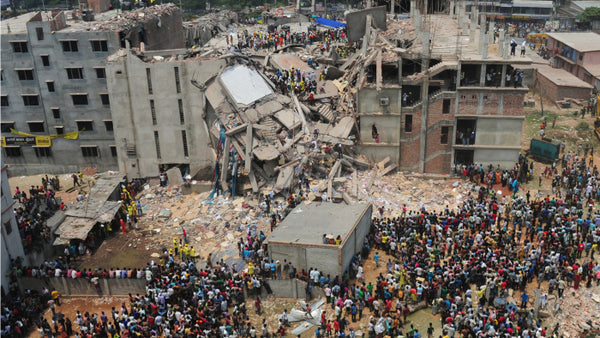
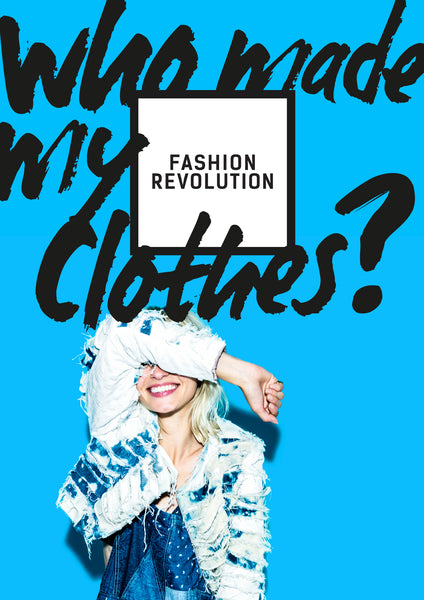
Today is the start of Fashion Revolution Week, an initiative born as a result of the collapse of the Rana Plaza complex in Dhaka, Bangladesh, on 24th April 2013 when 1,134 were killed, and more than 2,500 were injured.  

Collapse of the Rana Plaza in Bangladesh

This complex housed garment factories on each floor, most of whom produced goods for European high street retailers.

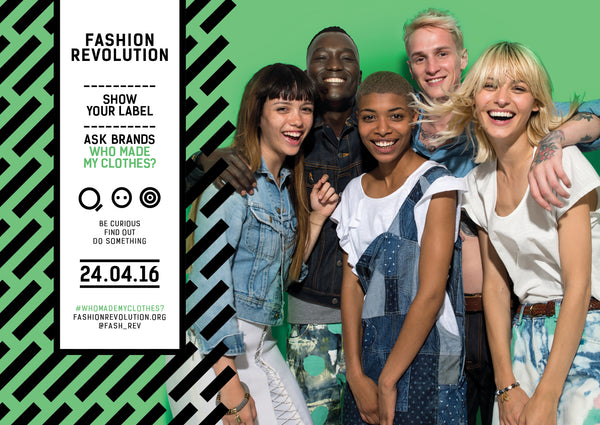
Fashion Revolution Week 18th to 24th April 2016

The aim of this week is to use fashion to bring people from around the world together to bring about change for the people who make our clothes. Fashion Revolution are encouraging us, as consumers, to be curious about "Who Made My Clothes" - who grew the cotton, who spun the threads, who dyed the fabric and who sewed them together. #whomademyclothes

Fashion Revolution Week

So this week, use social media to show your label and ask the brand who made your clothes - #WhoMadeMyClothes? For more information on how you can get involved visit the Fashion Revolution website.

I know from many years spent working in the fashion industry, that this is a complex issue, and one not easily solved by retailers alone, governments need to take a more pro-active role too.

That said, if a garment only costs a few pounds to buy, as a consumer you have to question how retailers are able to sell goods at such a low price. And this doesn't just apply to finished garments, but to all consumer goods, including fabric too.

Fashion Revoluion Week

Continue reading →

PRODUCT REVIEW • Merchant and Mills Entomology Needles

Posted on April 12, 2016

We regularly use the Glass Headed Pins by Merchant and Mills for our sewing projects but have noticed that these tend slip out when we're working with fabrics such as the double gauze.

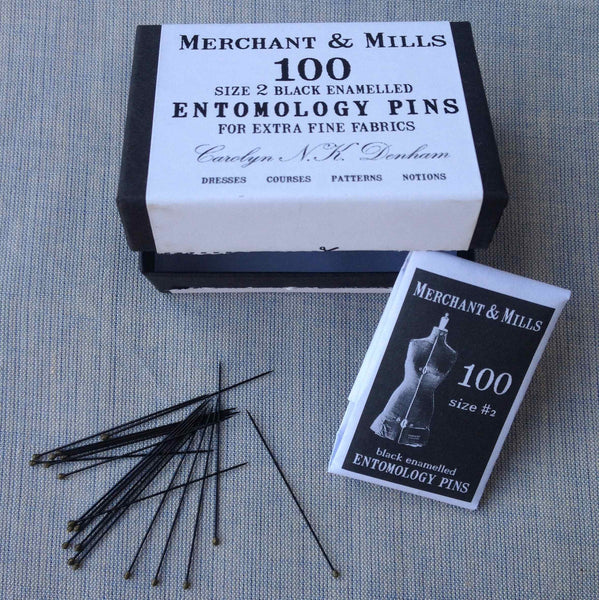
Merchant and Mills Entomology Pins

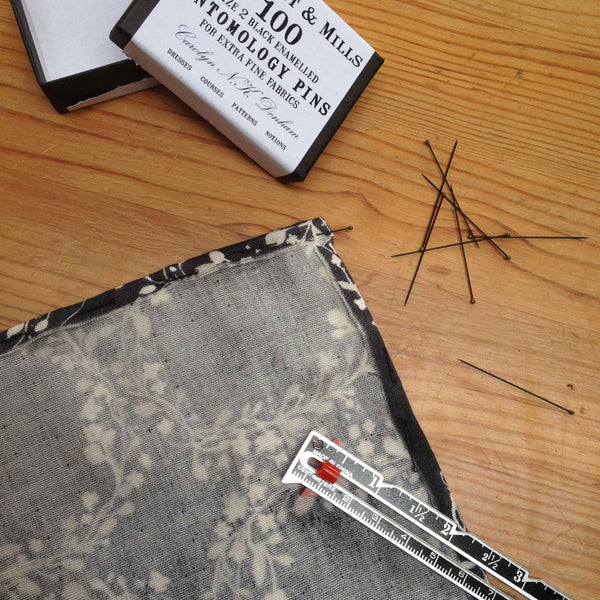
For our latest project using Nani Iro's Joy Flower double gauze fabric we thought we'd try out the Entomology Pins, again by Merchant and Mills.

Merchant and Mills Entomology Pins

These pins are visibly finer than the Glass Headed Pins, and longer at 38mm compared to 30mm. We've got to say they were lovely to work with, easy to insert into the fabric, and didn't then slide out.

Merchant and Mills Sewing Pins

They look good too! These ultra fine pins are black with a brass head and as you'd expect with a Merchant and Mills product, they're beautifully packaged in cardboard boxes, each containing 100 pins.

 Although we've only used them a couple of times they're already a firm favourite and we're sure we'll be using them time and time again!


Continue reading →

 
Scroll to top